Investing in property in Togo can be an ambitious and potentially rewarding project for both diaspora investors and local entrepreneurs. However, between informal estimates and the realities of construction in Lomé, establishing a reliable budget remains one of the biggest challenges.
In 2026, with changing material prices and increasingly demanding construction standards, how much should you realistically budget?
At Built Assets, we believe in transparency. Drawing on our civil engineering and construction expertise, we break down the main costs involved, from the first excavation works to high-end finishes.
1. Construction Cost per m² by Standard
The cost per square metre is one of the most useful indicators when estimating a construction project.
However, in Togo, this figure can vary considerably depending on the complexity of the design, soil and geotechnical conditions, structural requirements, material specifications and the desired level of finish.
A. Structural Works and Weatherproofing
Before considering finishes, the long-term durability of the building depends on its structural works.
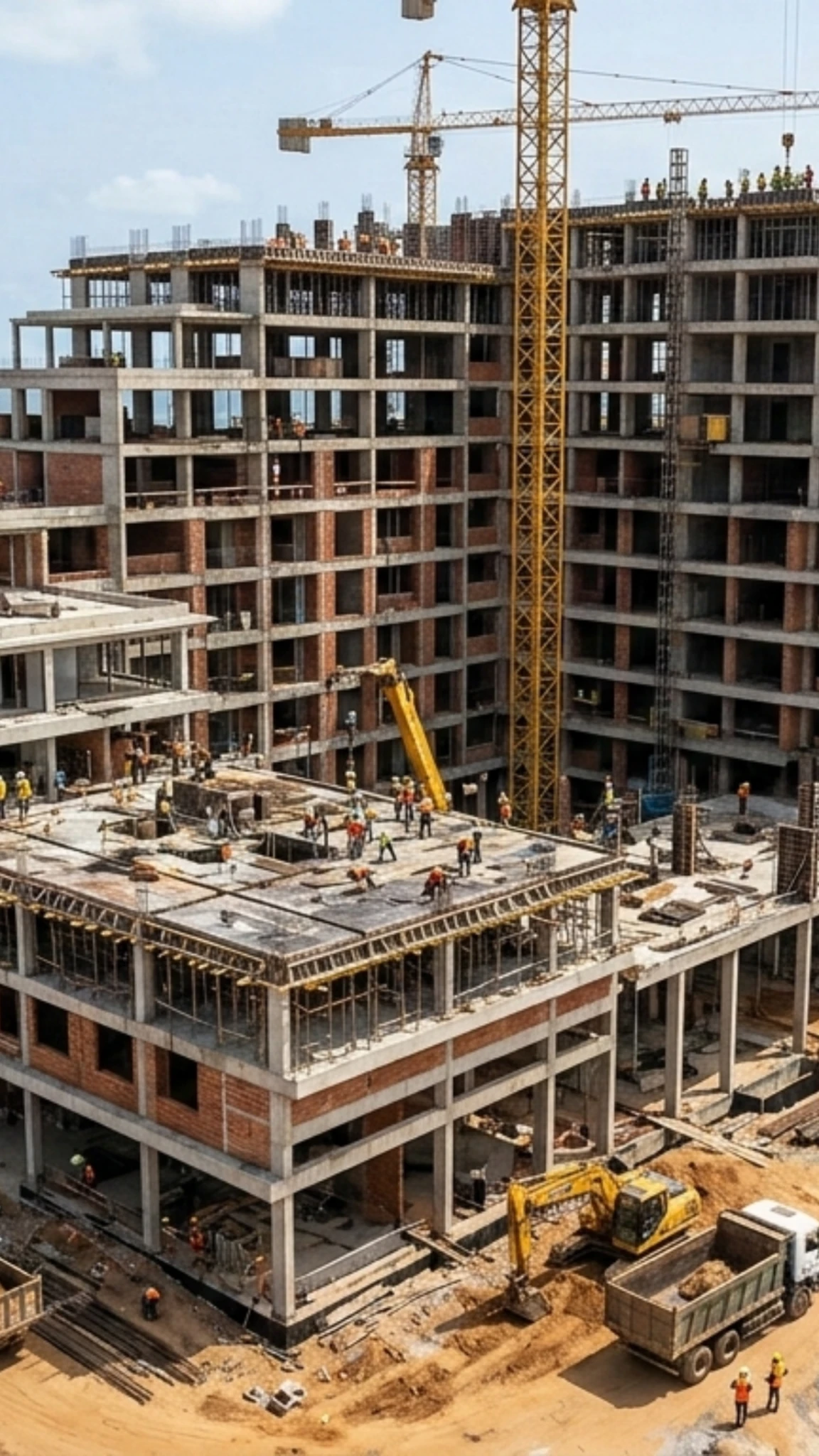
This stage typically includes earthworks, foundations, walls, columns, beams, slabs and the elements required to protect the structure from the weather.
- Structural investment: For multi-storey buildings, structural design and engineering calculations must be adapted to the loads and characteristics of the project.
- Expert consideration: Concrete quality, reinforcement specifications and correct execution are critical to the long-term performance of the structure.
Rigorous site supervision is essential to ensure that materials are used correctly and that construction complies with the approved technical drawings.
Discover how our Owner’s Representation / Assistance à Maîtrise d’Ouvrage (AMO) service helps protect your construction budget on site.
B. Quality Residential Construction – The Built Assets Standard
This is our starting point for a durable, secure property designed to be occupied or rented.
It is intended for investors who prioritise structural quality, durability and reliable technical execution.
Estimated cost: From FCFA 400,000/m²
This level can include:
- Quality-controlled construction materials
- Appropriate waterproofing solutions
- Electrical and plumbing installations designed to professional standards
- Carefully executed finishes
- A specification suitable for quality residential or rental properties
The final cost will depend on the design, site conditions and selected finishes.
C. High-End Construction and Prestige Villas
Premium projects require more customised solutions, higher-specification materials and greater attention to architectural and technical details.
Estimated cost: From FCFA 600,000/m²
Depending on the project, specifications may include:
- Natural stone or premium floor finishes
- High-quality timber
- High-performance aluminium joinery
- Centralised air conditioning
- Smart home systems
- Advanced thermal and energy-efficiency solutions
Sustainable design strategies and EDGE certification requirements can also be integrated from the design stage.
Whether you are planning a private villa or an investment property, discover our building construction services in Togo.
2. Construction Budget Breakdown: Where Does Your Money Go?
Understanding how a construction budget is distributed makes it easier to assess quotations and identify unrealistic estimates.
The proportions below provide an indicative framework. Actual figures will vary according to the project.
| Cost Category | Indicative Share of Budget | Main Factors |
|---|---|---|
| Foundations & Earthworks | 15–20% | Soil conditions, excavation and foundation design |
| Structural Works | 35–40% | Concrete, reinforcement steel, masonry and slabs |
| MEP & Waterproofing | 10–15% | Plumbing, electrical systems and waterproofing |
| Finishes | 30–40% | Flooring, painting, sanitary equipment and joinery |
3. Three Mistakes That Can Drive Up Your Construction Budget in Togo
Many projects run into financial difficulties because costs were underestimated or poorly controlled from the beginning.
I. Skipping Preliminary Technical Studies
Trying to save money by avoiding a soil investigation or professional structural engineering can create much greater costs later.
Ground conditions vary across Lomé and surrounding areas. Where difficult soil conditions are present, inappropriate foundation design can contribute to settlement, cracking and expensive corrective works.
The objective of preliminary studies is therefore not to add unnecessary costs, but to reduce uncertainty before construction begins.
II. Informal Project Management
Diaspora investors sometimes rely entirely on relatives or informal contractors to manage construction locally.
Without professional site supervision, several problems can occur:
- Material quantities may be poorly controlled.
- Concrete mixes and workmanship may be inconsistent.
- Materials may be wasted or inadequately documented.
- Delays can increase labour and project-management costs.
Professional supervision provides greater visibility over both expenditure and technical execution.
III. Poorly Planned Material Procurement
Buying construction materials progressively in small quantities can expose a project to price fluctuations, repeated transport costs and procurement delays.
Professional procurement planning can help consolidate orders, negotiate quantities and ensure that the correct materials are available when required.
4. Sustainable Construction: Understanding the Cost of Efficiency
Sustainable construction should be considered in terms of whole-life cost, rather than initial construction cost alone.
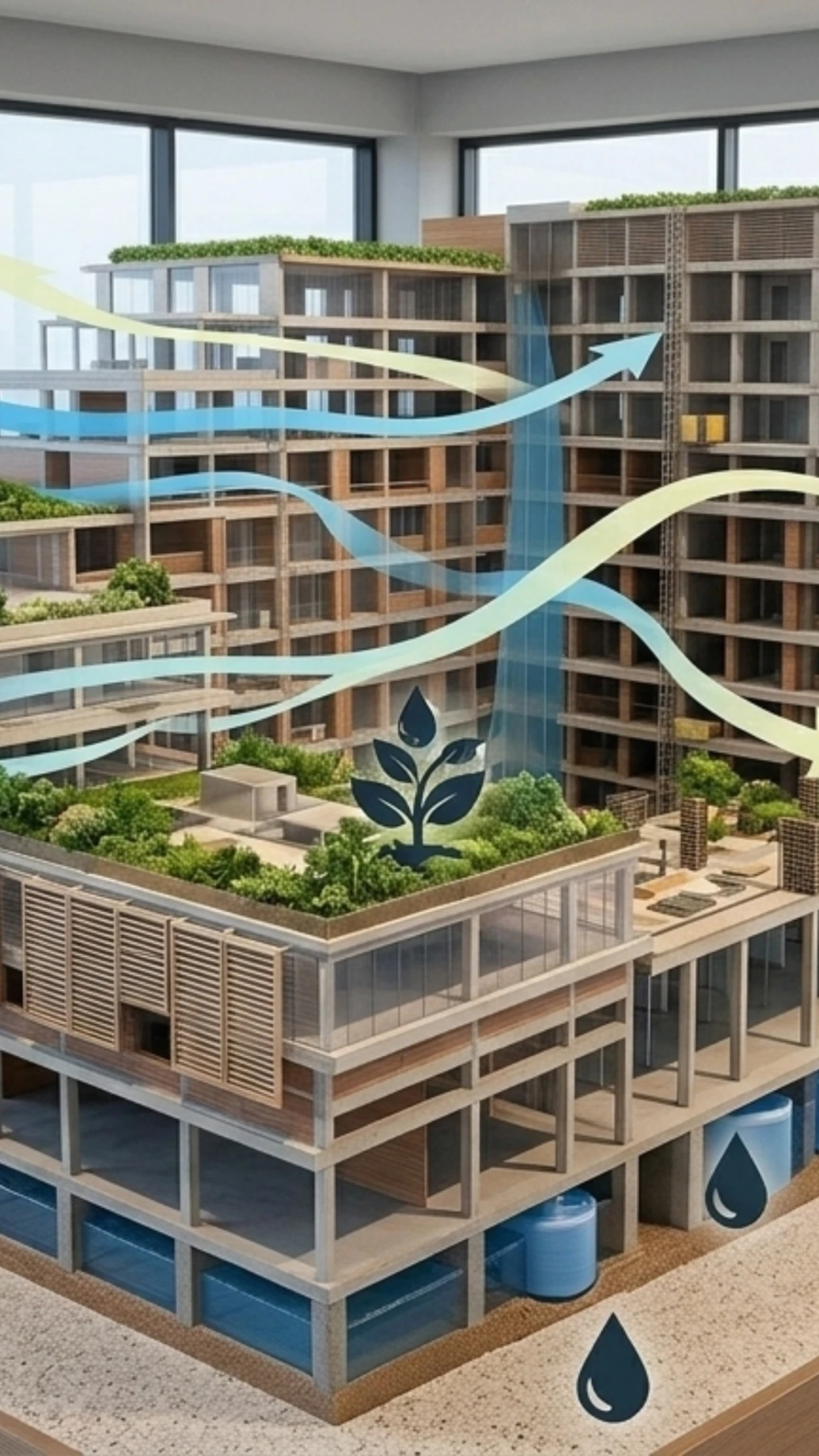
Measures such as improved insulation, efficient glazing, passive cooling, water-efficient fixtures and appropriate solar protection may require additional investment during construction but can reduce operating costs throughout the life of the property.
EDGE provides a recognised framework for measuring improvements in areas such as energy, water and embodied energy in materials.
For investors, this means considering not only:
“How much does the building cost to construct?”
but also:
“How much will the building cost to operate?”
Built Assets can integrate EDGE-oriented sustainable building solutions in Togo from the design stage.
5. How to Read and Compare Construction Quotations
Do not choose a contractor based solely on the lowest total price.
A professional construction quotation should clearly identify:
- Quantities and specifications: Concrete volumes, reinforcement quantities, masonry, finishes and other materials should be measurable and clearly described.
- Site-related costs: Temporary site facilities, water, electricity, logistics and other necessary costs should be identified.
- Payment schedule: Payments should correspond to clearly defined project stages and measurable progress rather than requiring the entire amount in advance.
The more detailed the quotation, the easier it becomes to compare contractors on an equivalent basis.
FAQ: Construction Costs in Togo
Is It Possible to Build a Villa in Togo with FCFA 30 Million?
It may be possible for a relatively compact single-storey house with simple specifications, depending on its size, location, soil conditions, design and level of finish.
However, FCFA 30 million should not be treated as a universal budget for a three-bedroom villa. A detailed design and Bill of Quantities are required before determining whether the budget is realistic.
What Is the Role of AMO in Controlling Construction Costs?
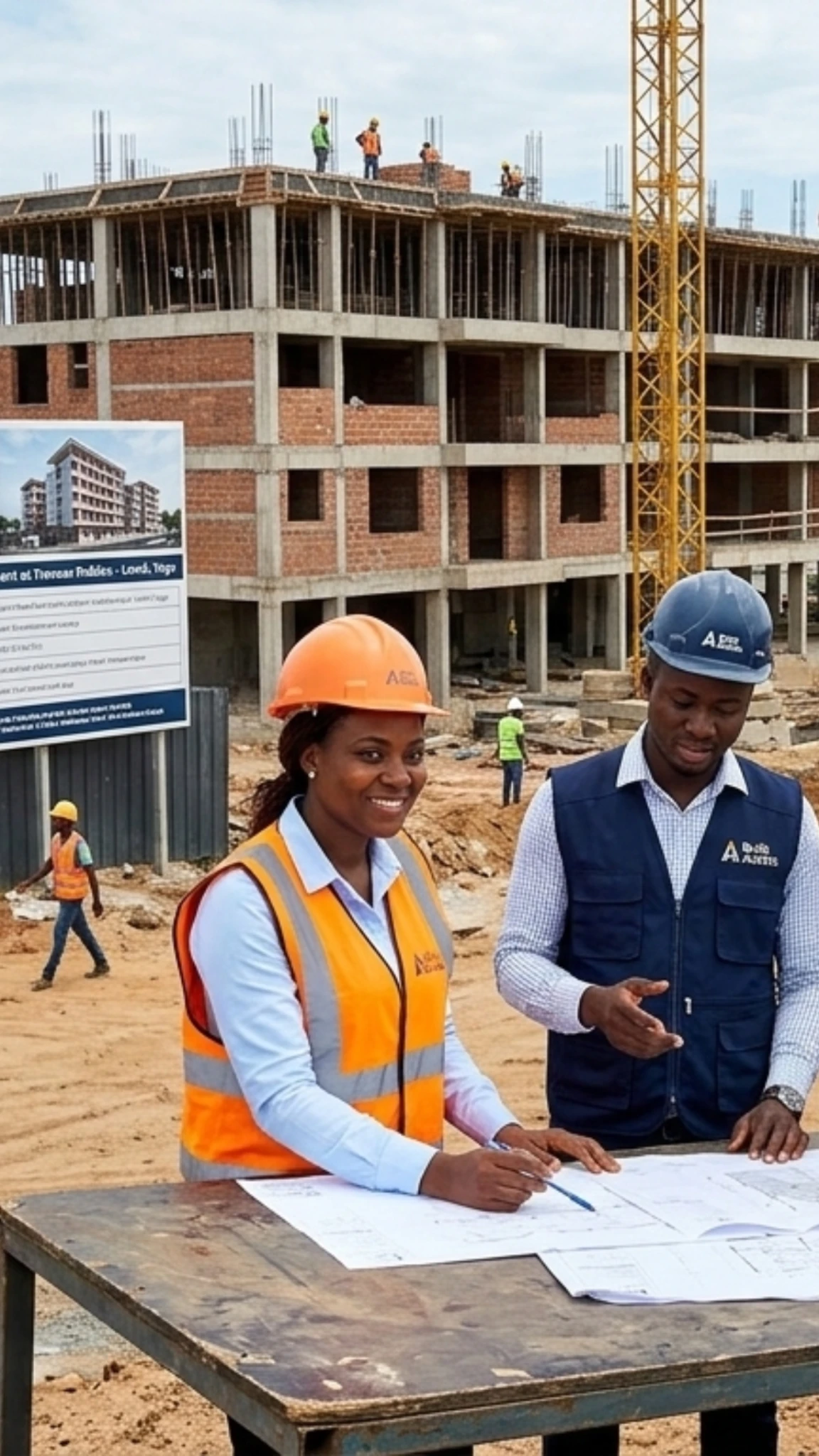
Owner’s Representation / Assistance à Maîtrise d’Ouvrage (AMO) provides the client with independent technical oversight.
Its role can include checking progress, monitoring quality, reviewing quantities and helping ensure that payments correspond to work actually completed.
For clients living abroad, this provides an additional layer of visibility and control over the project.
How Long Does It Take to Obtain a Building Permit in Togo?
The processing time can vary depending on the nature and location of the project, the completeness of the application and the relevant administrative procedures.
For this reason, the permitting period should be incorporated into the project schedule rather than relying on a fixed timeframe for every project.
Built Assets can assist clients with the technical and administrative preparation of their building permit application.
Conclusion: Understanding the Real Cost of Building
Building in Togo in 2026 requires more than simply calculating the price of cement, reinforcement steel and labour.
The real cost of construction also depends on design quality, engineering, soil conditions, project management, technical supervision, material specifications and the long-term performance of the building.
Investing in professional planning at the beginning of the project can help prevent much more expensive problems during construction.
Do You Have a Construction Project and Need a More Accurate Estimate?
Contact Built Assets for a personalised assessment of your project and construction budget.