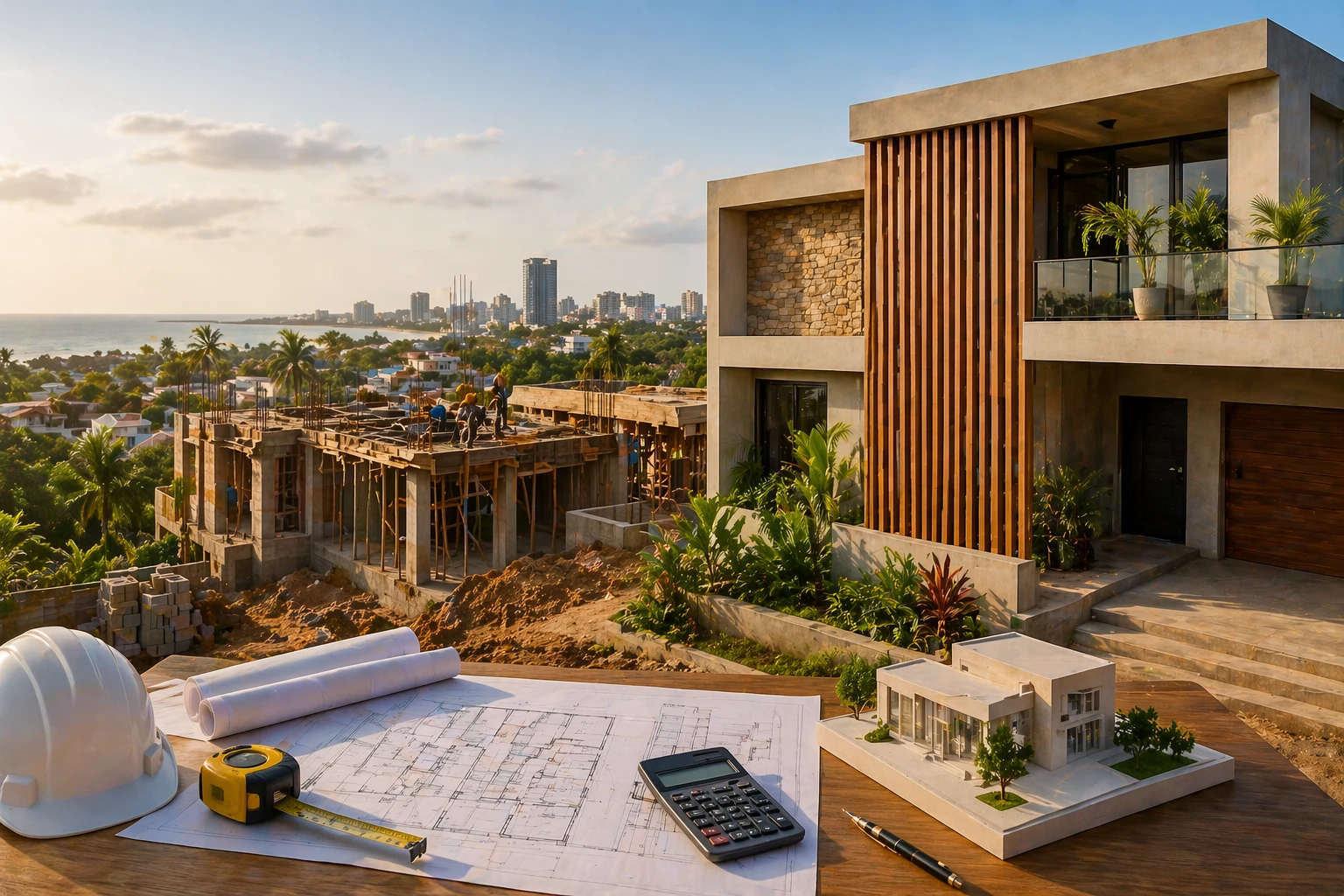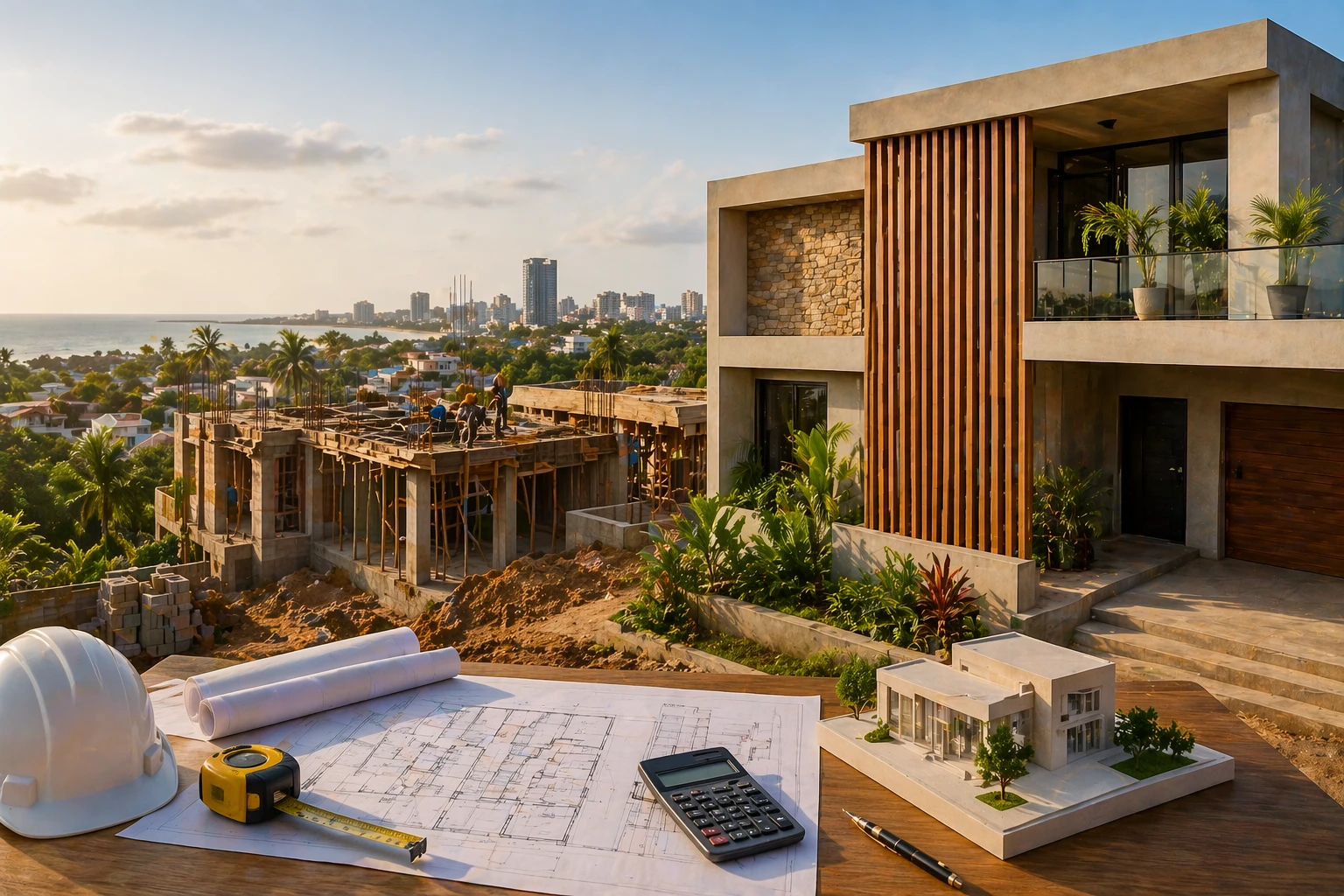
As Togo strengthens its position as a major logistics and financial hub in West Africa, a quieter transformation is taking place across its cities and neighbourhoods. Long regarded as a major source of pollution and uncontrolled energy consumption, the building sector is now emerging as a potential driver of green finance in the country.
In 2026, building “green” in Lomé is no longer simply an environmental choice. It is becoming a long-term financial strategy.
1. Green Finance: What Does It Mean in Togo?
Green finance refers to financial activities — including loans, investments and guarantees — that support the energy transition and the reduction of carbon emissions.
In Togo, residential and commercial buildings represent a major source of electricity demand. With rapid urban development across Greater Lomé, Agoè-Nyivé and Baguida, pressure on the electricity network continues to grow.
Financial institutions are increasingly recognising a fundamental principle: an energy-intensive building represents greater long-term operating costs, while an efficient and sustainable building can become a more resilient asset.
2. Three Pillars That Can Turn a Property into a “Green Asset”
For a real estate project to qualify for green finance mechanisms, it must meet specific technical criteria. At Built Assets, these considerations are integrated from the design stage.
A. Energy Efficiency – At Least 20% Improvement
Energy efficiency is not simply about installing solar panels. A significant part of the innovation comes from passive comfort and intelligent building design:
- Thermal insulation: Using appropriate roof insulation to reduce heat entering the building and improve indoor comfort without relying entirely on air conditioning.
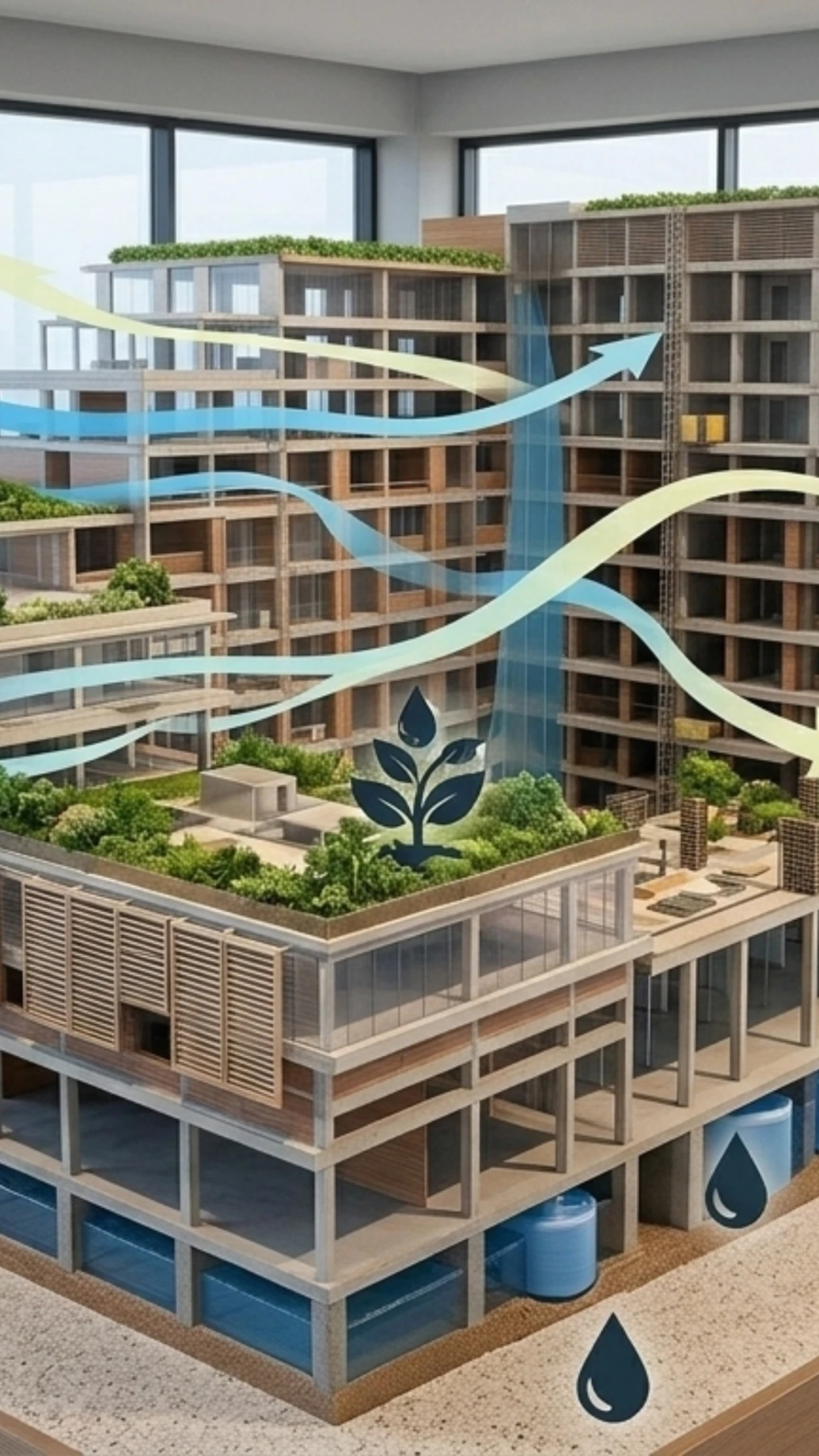
- Natural ventilation: Architectural design that encourages effective cross-ventilation.
- Smart lighting: Maximising natural daylight to reduce the need for artificial lighting during the day.
B. Resilient Water Management
In Lomé, managing rainfall and groundwater is an important consideration for sustainable construction.
A green building project can incorporate:
- Rainwater harvesting systems for irrigation and other suitable uses.
- Low-flow fixtures designed to reduce water consumption.
C. Choosing Lower-Carbon Construction Materials
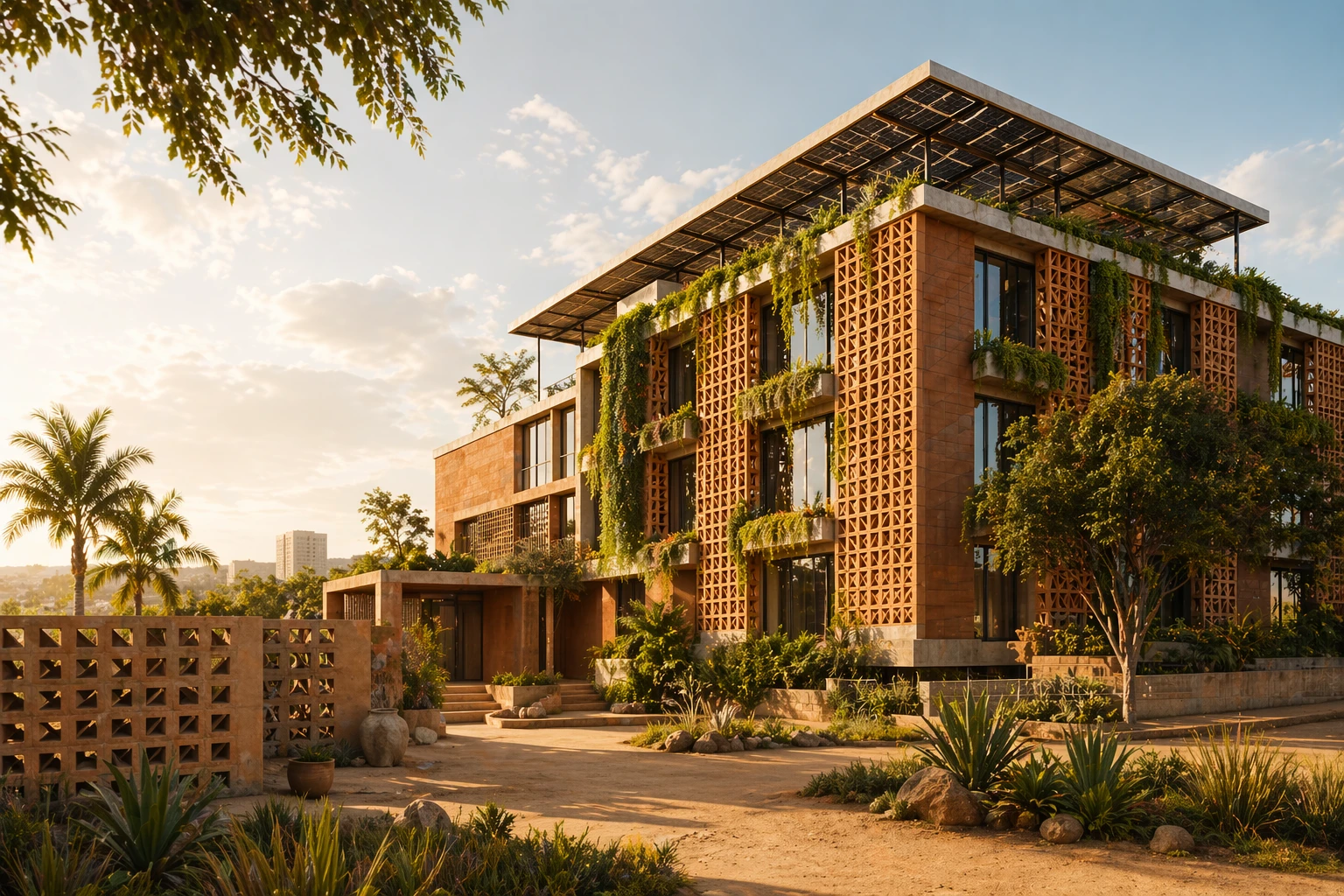
Conventional concrete has a significant environmental footprint. Using compressed earth blocks (CEBs), locally sourced materials or lower-carbon concrete solutions can help reduce the embodied carbon of a project and strengthen its environmental performance.
3. EDGE Certification: A Gateway to Green Financing
In Togo, EDGE (Excellence in Design for Greater Efficiencies) provides a recognised framework for demonstrating the environmental performance of a building.
Why consider certification in 2026?
- Access to green financing opportunities: Certified projects may be better positioned to access financing programmes specifically designed for energy-efficient or sustainable buildings.
- Greater property attractiveness: An EDGE-certified property can appeal to investors, international organisations, expatriates and tenants looking for efficient buildings with lower operating costs.
- Lower operating expenses: Reduced electricity and water consumption can generate direct savings for owners and occupants over the life of the building.
4. The Role of Built Assets: Engineering and Green Building Advisory
Moving from conventional construction to sustainable building requires technical expertise.
Built Assets positions itself as a bridge between property investment, engineering and green building performance:
- Energy modelling: Assessing the building’s expected performance and potential savings before construction.
- Certification support: Preparing the technical documentation required as part of the EDGE certification process.
- Compliance audits: Monitoring whether the sustainable solutions specified for the project are actually implemented during construction.
Conclusion: Could Buildings Become a Pillar of Togo’s Energy Transition?
Investing in green buildings in Togo can contribute to the country’s energy transition while helping property owners protect the long-term value of their assets.
In 2026, the question is no longer simply:
“How much will my building cost?”
It is increasingly:
“How much value can my building create — and how much can it save over its lifetime?”
Turn Knowledge into Action
Would you like to transform your property project into an asset capable of meeting green finance requirements?
Discover our complete guide to managing the technical and financial stages of your future construction project.