Introduction
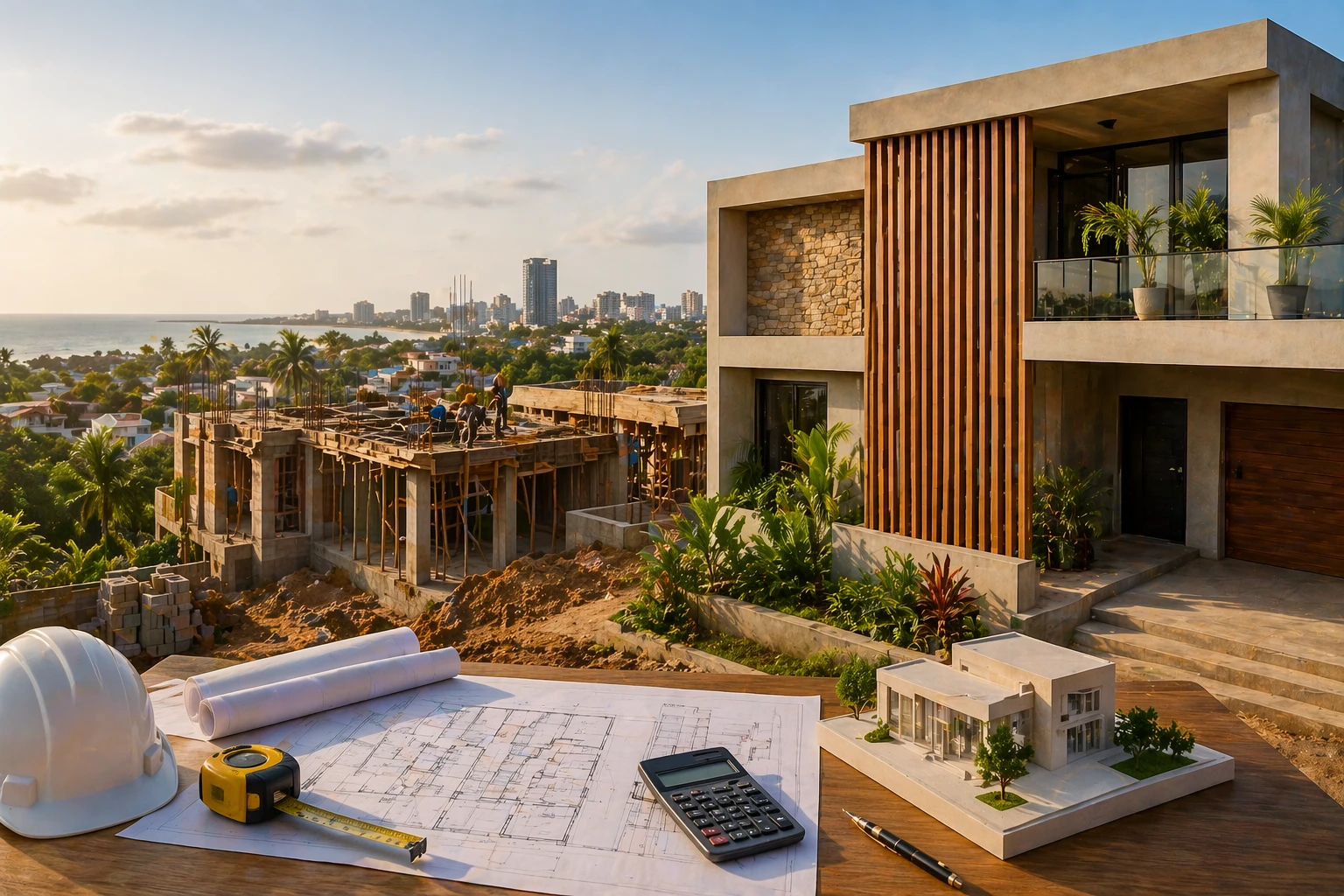
Building a property from thousands of kilometres away is a major commitment. For many members of the Togolese diaspora, it represents a long-term life project: building a family home, creating an asset or preparing for a future return.
However, managing construction remotely also increases certain risks: insufficient supervision, technical uncertainties and poorly controlled budgets.
At Built Assets, we regularly support construction projects initiated from abroad. Here are three of the most common mistakes diaspora investors make — and how to avoid them through a structured Owner’s Representation (AMO) approach.
The Property and Construction Context in Togo
A Dynamic but Demanding Market
Togo’s construction sector continues to develop, supported by urbanisation and private investment. However, this growth comes with several challenges:
- Administrative complexity involving land, planning and building permits
- Variations in material quality
- Inconsistent technical supervision
- Insufficient project monitoring on some construction sites
For diaspora investors, the challenge is therefore twofold: securing the land and ensuring construction quality from abroad.
Mistake #1: Entrusting the Entire Project to a Relative
For reasons of trust or to reduce costs, many diaspora investors ask a family member to supervise their construction project.
The Risk
Combining family relationships with financial and technical responsibilities can make project management more difficult.
Even with the best intentions, a relative may not have the technical expertise required to:
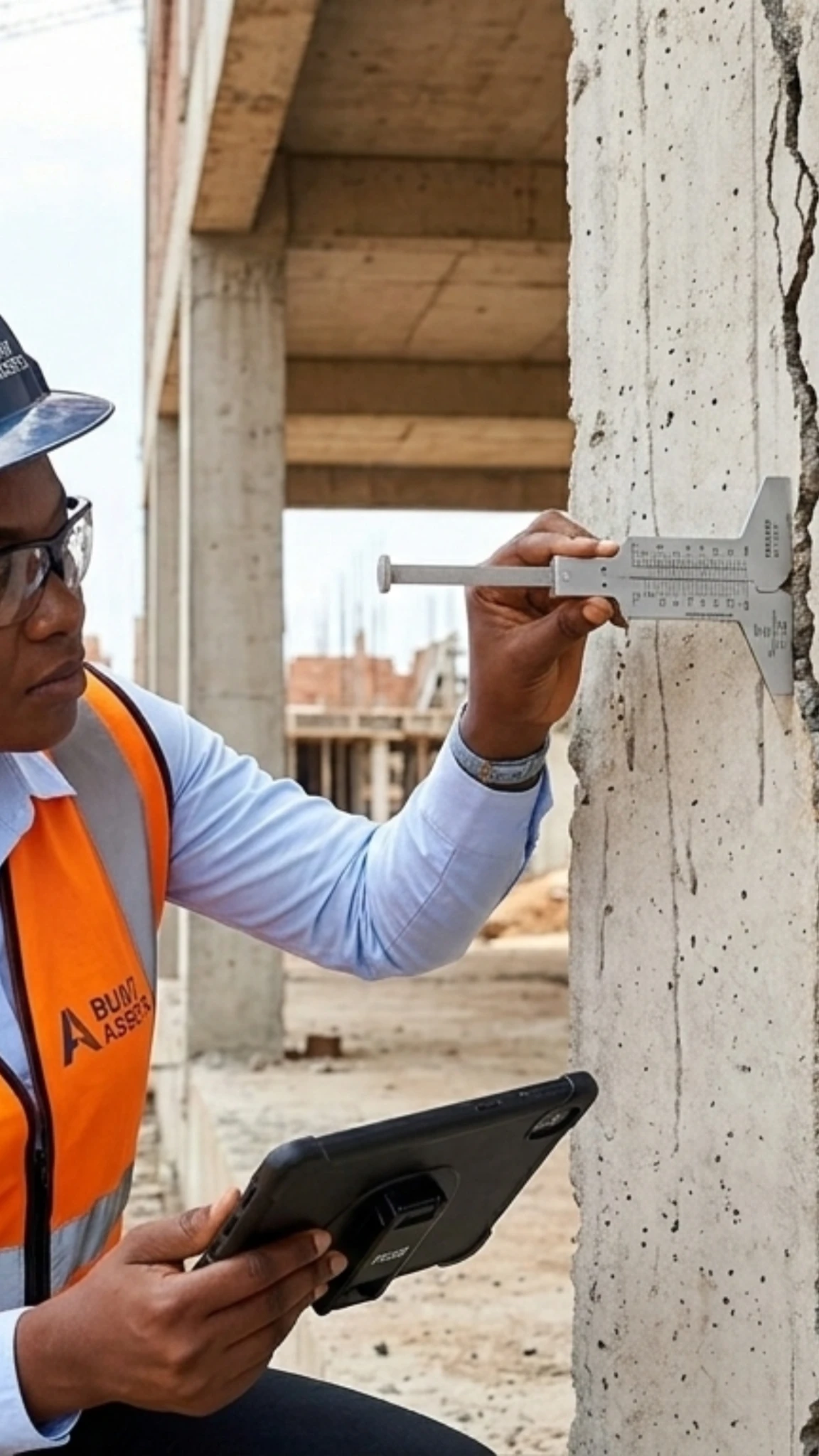
- Check concrete specifications and execution
- Inspect foundation works
- Validate quantities and measurements
- Review variations and additional costs
Insufficient technical supervision can lead to delays, defects, additional costs and sometimes family tensions.
The Built Assets Approach
Built Assets acts as an independent professional third party.
Our role is not to replace your family, but to provide:
- Rigorous technical supervision
- Regular progress reports
- Objective validation of completed works
This gives you professional oversight while allowing relatives to remain involved in the project if you wish.
Mistake #2: Paying Most of the Construction Cost in Advance
Some contractors may request a substantial advance to secure material prices or accelerate mobilisation.
The Risk
Once a large proportion of the budget has been paid:
- The client has less financial leverage
- Construction progress may become more difficult to control
- Payments may no longer correspond to actual work completed
The Built Assets Solution: Milestone-Based Payments
Through our Owner’s Representation / Assistance à Maîtrise d’Ouvrage (AMO) service:
- The construction programme is divided into measurable technical milestones
- Each stage is assessed before the corresponding funds are released
- Payments are aligned with actual construction progress
This helps you maintain financial control throughout the project.
Why Technical Standards Matter
The Hidden Cost of Poor Quality
Construction defects can originate from issues such as:
- Incorrect concrete mixes
- Reinforcement that does not meet the project specifications
- Insufficient concrete quality control
- Lack of appropriate soil investigations
These problems can affect the durability of the building and lead to expensive corrective works later.
Rigorous supervision during structural construction is generally far more effective than trying to correct major defects after completion.
Mistake #3: Neglecting the Planning Stage
“We’ll decide when we get there” is one of the most dangerous approaches to a construction project.
The Risk
Without:
- Approved detailed drawings
- A detailed cost estimate
- Clear technical specifications
the project can gradually drift away from the original budget and objectives.
This can result in:
- Repeated variations
- Budget overruns
- Delays
- A completed building that differs significantly from what was originally expected
The Built Assets Approach
Before construction begins, the project should be properly structured through:
- Technical project assessment
- Clear definition of specifications
- Structured budget validation
- Planning of key construction stages
Building without planning means reacting to problems. Building with a structured method means anticipating them.
FAQ – Common Questions from Diaspora Investors
Can I Keep the Contractor Recommended by My Family?
Yes.
The role of Built Assets as an AMO is not necessarily to impose a contractor. We can provide independent technical supervision to help ensure that the selected company works according to:
- Approved technical requirements
- Construction drawings and specifications
- Validated quotations and agreed scope of work
How Can Land Be Secured Before Construction?
Before construction begins, the legal and administrative status of the land should be carefully verified.
Depending on the situation, this may involve reviewing available ownership documentation, cadastral information, survey documents and records held by the relevant authorities.
Where necessary, appropriate legal, notarial or land professionals should also be involved before a major investment is committed.
How Long Does It Take to Obtain a Building Permit in Lomé?
Processing time can vary depending on the type of project, the completeness of the application and the applicable administrative procedures.
Proper preparation of the technical documentation can help reduce delays caused by incomplete or non-compliant applications.
Don’t Let Your Project Become a Source of Uncertainty
Building in Togo from abroad does not have to be a gamble.
With structured planning, professional technical supervision and transparent project management, you can significantly reduce risk and maintain greater control over your investment.
Request a 30-Minute Project Assessment
Do you have a construction project underway or still in the planning stage?
Use an initial consultation to review:
- Land and project documentation
- Budget structure
- Technical risks
- Potential areas for optimisation
Request your project assessment with Built Assets.